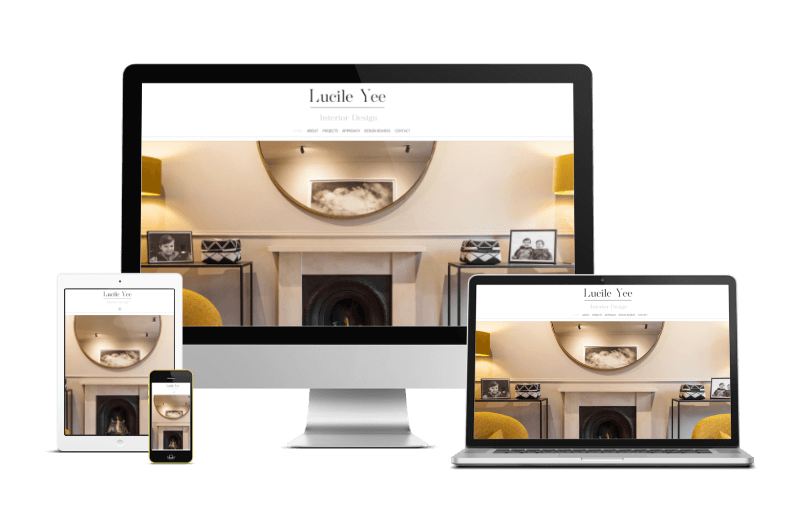
Your website refresh shouldn’t mean losing the SEO and trust you’ve built over the years. Many London small businesses rush into a redesign, only to watch their hard-earned Google rankings drop and loyal visitors disappear. But it doesn’t have to be that way. In this guide, you’ll learn how to modernise your site safely, preserving what works while giving your online presence a fresh, bespoke boost.
Revamp Your Website Without Losing SEO
Understanding Your SEO Basics
It's crucial to know what keeps your site visible to search engines before diving into a redesign. SEO is like the lifeblood of your website's visibility. By understanding the fundamentals, such as keyword placement and on-page optimisation, you ensure your site remains discoverable. Think of SEO as a guide that leads users to your doorstep, no matter how often you change the paint.
Search engines rely on certain elements to rank your site. Elements like meta titles and descriptions, URL structure, and site speed optimisation are vital. They help your site appear in relevant searches. So, before you start redesigning, list the current elements that contribute to your success. This way, you can preserve them during the refresh.
Importance of Content Audit
A content audit is like spring cleaning for your website. It helps you identify what's working and what isn’t. By reviewing your content, you keep the pieces that draw in visitors and remove those that don’t. This ensures your site stays relevant and engaging.
Start by examining your existing content: blog posts, service pages, and testimonials. Look at analytics to see which pages attract traffic. This insight helps target what needs updating or removing. Remember, a website refresh isn't about changing everything. It's about enhancing what’s already effective.
Strategic Steps for a Successful Redesign
Safe SEO Migration Techniques
Carrying over your SEO during a redesign requires care. Safe SEO migration ensures you don't lose the visibility you've worked hard for. When updating your site, consider using tools to track your current SEO metrics; these serve as benchmarks.
Begin by mapping old URLs to new ones. This helps search engines understand the changes. Use a 301 redirect plan to guide traffic from old pages to new ones. This step maintains your site's authority and ensures users find your content seamlessly.
Implementing 301 Redirects
Redirects are your secret weapon. A well-implemented 301 redirect tells search engines that a page has moved permanently. This keeps your SEO intact and guides visitors smoothly to your updated content. Think of it as leaving a forwarding address when you move house.
To implement, start by listing all URLs that will change. Match each with its new counterpart. Use your content management system or plugins to set up these redirects. This step is crucial, as it preserves your Google rankings and user trust.
Enhancing User Experience and Trust
UX Improvements and Accessibility
Improving user experience (UX) is not just about looking pretty. It's about helping visitors find what they need quickly. UX improvements and accessibility WCAG compliance ensure everyone, regardless of ability, can use your site effectively.
Focus on simplifying navigation. Make your site mobile-friendly and check that it loads quickly. These improvements not only boost user satisfaction but also contribute to your Core Web Vitals. Remember, a happy visitor is a returning visitor.
Building Trust with Testimonials and Reviews
Trust is earned, and your website can help build it. By showcasing testimonials and reviews, you create a bond with potential clients. Social proof is powerful—it shows real people value your services.
Include case studies and client stories prominently on your site. These elements act as endorsements, reassuring visitors of your credibility. New clients are more likely to engage when they see others have had positive experiences.
🌟 Let's get your website working harder for your business! 🌟
Frequently Asked Questions
How often should a website update its content to maintain or improve its SEO ranking? Regular updates help maintain SEO rankings. Aim to refresh content every few months, adding new information and optimising for current keywords.
What is the importance of conducting a content audit during a website redesign? A content audit highlights effective and underperforming areas. It guides what to keep or change, ensuring your site stays engaging and relevant.
How do 301 redirects help during a website redesign? 301 redirects guide visitors and search engines from old pages to new ones. They help maintain your SEO rankings by preserving URL authority.
Most websites struggle because SEO is treated like an afterthought. You spend weeks crafting a design, only to realise it doesn’t rank or convert. What if your SEO web design London project was built from day one to attract the right visitors and turn clicks into customers? This approach saves you time, cuts costly rework, and creates a site that grows with your business.
Design and SEO: A Perfect Match
Creating a successful website isn't just about how it looks. It's about how it works. Here's why design and SEO should start together.
Why They Should Start Together
Design and SEO are like two sides of a coin. They must align from day one to ensure your website not only looks good but also ranks well and converts visitors into customers. By integrating SEO into the design process, you ensure your site architecture and keyword strategy are built to attract traffic and improve searchability.
When you combine design and SEO from the beginning, you can craft a site that's both visually appealing and highly functional. This approach helps avoid the need for costly redesigns later on. Many small businesses spend extra time and money fixing their websites because they didn't consider SEO in the initial design phase. By prioritising SEO early, you set your site up for long-term success.
Avoiding Rework and Saving Time
Building a website without SEO can lead to significant rework. Imagine launching your site only to discover it doesn't show up in search results. This common mistake is avoidable. By focusing on SEO from the start, you prevent the need to go back and fix things later.
When SEO is an afterthought, you might find yourself redoing navigation, rewriting content, or even restructuring your site. These adjustments are not only time-consuming but can also be costly. Incorporating SEO into the initial design phase saves you from these headaches. Your site will be ready to attract search engines and visitors right from the launch, streamlining your path to success.
Building a Site That Works for You
A site that truly works for your business is one that seamlessly integrates key design and SEO elements. This is where an SEO-first design approach shines.
Key Elements of SEO-First Design
An SEO-first design incorporates several critical components: site architecture, on-page optimisation, and technical SEO. A well-structured site architecture ensures search engines can easily crawl and index your content. On-page optimisation, focusing on relevant keywords and quality content, helps your pages rank higher.
Technical SEO is about improving page speed optimisation and ensuring your site meets Core Web Vitals standards. These elements contribute to a positive user experience, which search engines reward. By building these features into your site from the beginning, you create a solid foundation for SEO success. This means better visibility, more traffic, and ultimately, higher conversion rates.
The Role of User Experience (UX)
User Experience, or UX, is crucial in SEO-first design. A smooth and enjoyable UX keeps visitors on your site longer, reducing bounce rates and improving engagement. This sends positive signals to search engines, helping your site rank better.
Incorporating mobile-first design and ensuring accessibility standards are met are key components of good UX. A responsive design caters to users on all devices, making your site accessible and user-friendly. This not only improves SEO but also enhances customer satisfaction. When your site is easy to navigate and visually pleasing, visitors are more likely to stay and convert.
The Benefits of an SEO-First Approach
An SEO-first approach offers multiple benefits, from attracting clients with bespoke design to supporting business growth.
Attracting Clients Through Bespoke Design
Custom, SEO-focused websites are tailored to attract your ideal clients. By integrating local SEO London strategies and focusing on search intent, you can reach the audience that's most relevant to your business. A website that's designed with both your brand and SEO in mind acts as a powerful tool to draw in the right customers.
Bespoke design ensures your site reflects your unique brand identity, setting you apart from competitors. When combined with smart SEO practices, your website becomes a magnet for potential clients. This targeted approach enhances your visibility and positions you as a leader in your industry.
Growing With Your Business Needs
As your business evolves, so should your website. An SEO-first design allows your site to grow and adapt to your changing needs. By integrating schema markup and internal linking strategies, your website remains flexible and scalable.
This adaptability ensures your online presence continues to support your business objectives. Whether you're expanding product lines or entering new markets, your website will be equipped to handle growth. With an SEO-first approach, you invest in a digital asset that evolves alongside your business, providing ongoing value and return on investment. 😊
Frequently Asked Questions
What is the advantage of integrating SEO into the design process?
Integrating SEO into the design process ensures that your website is built with search engine requirements in mind from the start. This approach prevents costly redesigns and enhances your site's visibility and functionality, attracting more traffic and improving conversion rates.
How does a mobile-first design impact SEO?
A mobile-first design improves SEO by ensuring your website is accessible and user-friendly on all devices. This enhances the user experience and lowers bounce rates, which positively affects search engine rankings and increases your site's visibility.
Why is user experience important for SEO?
User experience is crucial for SEO because it affects how long visitors stay on your site and how they interact with your content. A positive UX sends favourable signals to search engines, improving your rankings and helping your site attract more organic traffic.
How can bespoke website design benefit my business?
Bespoke website design benefits your business by creating a unique site tailored to your brand and customer needs. It sets you apart from competitors and, when combined with effective SEO strategies, helps attract and retain the right clients.
What role does technical SEO play in website success?
Technical SEO enhances website success by ensuring your site meets search engine technical requirements. This includes improving page speed, ensuring crawlability, and meeting Core Web Vitals, all of which contribute to better search engine rankings and a superior user experience.
Starting your website project with SEO in mind can make all the difference to your online visibility and business growth. By weaving digital marketing strategies into your website design from day one, you give your brand the best chance to connect with the right audience and stand out in a crowded market. Ready to see how a custom-made website can set your business on the path to success? Let’s make it happen together!
The Importance of SEO in Web Design
Search Engine Optimisation (SEO) is not just an afterthought but a foundational element of any successful website. Integrating SEO from the start ensures that your site is easily discoverable by search engines, helping potential clients find you. This approach guarantees that your brand message is clear, targeted, and reaching the right audience. Think of it as building your website on a solid foundation for growth.
As the digital landscape evolves, staying ahead with strategic planning is crucial.
Strategic Integration for Success
Building a website with SEO at its core allows for seamless adaptation as your business grows. By integrating SEO early, you create a flexible framework that can adjust to market changes, ensuring long-term success. This proactive strategy not only enhances online presence but also aligns with your business goals, making sure every design choice supports your objectives.
Partnering with experts in digital growth provides the edge you need.
Your Partner in Digital Growth
At Reem Website Design, our mission is to empower London businesses with a dynamic online presence. Our bespoke solutions are tailored to your needs, ensuring that your website not only looks impressive but also performs exceptionally. Tailored digital solutions are key to unlocking new opportunities and engaging your audience effectively.
Ready to take the next step? Get in touch to begin your journey to success!
P.S. Start your digital transformation today and see the difference a strategic website can make!